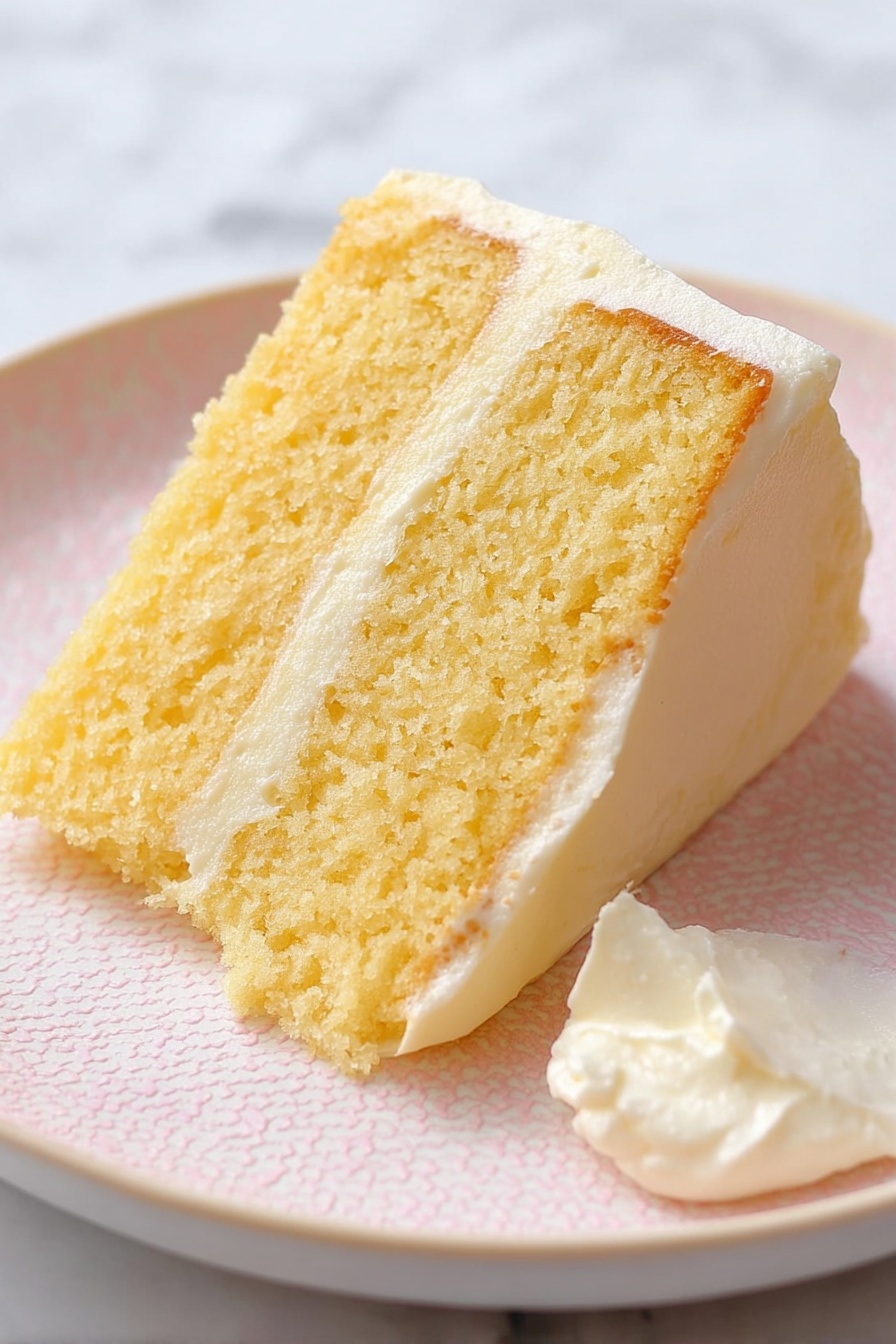
Vanilla Cake with Buttercream Recipe
If you’re looking for a classic dessert that’s soft, buttery, and downright irresistible, I’ve got just the thing for you—a **Vanilla Cake with Buttercream Recipe** that’s become my go-to for celebrations and cozy afternoons alike. I’ve baked this countless times, tweaking it ever so slightly to get that perfect balance of moist crumb and fluffy frosting, and I’m excited to share all the secrets with you so your cake turns out fan-freaking-tastic every time.
Why This Recipe Works
- Balanced Fat and Liquid Ratio: The blend of butter, oil, and buttermilk keeps the cake ultra moist without being greasy.
- Gentle Folding Technique: Avoids overmixing, so your cake stays tender and soft, exactly what you want from a vanilla sponge.
- Classic Buttery Buttercream: Creamy, sweet, and perfectly spreadable, it takes the cake from simple to show-stopping.
- Vanilla and Vinegar Combo: A subtle magic trick that brightens flavors and helps with the rise of the cake layers.

Ingredients & Why They Work
The success of this Vanilla Cake with Buttercream Recipe hinges on choosing the right ingredients and understanding their role. Each element complements the others, creating a cake that’s tender inside and flavorful in every bite. I always recommend weighing dry ingredients in grams for consistency—especially flour!
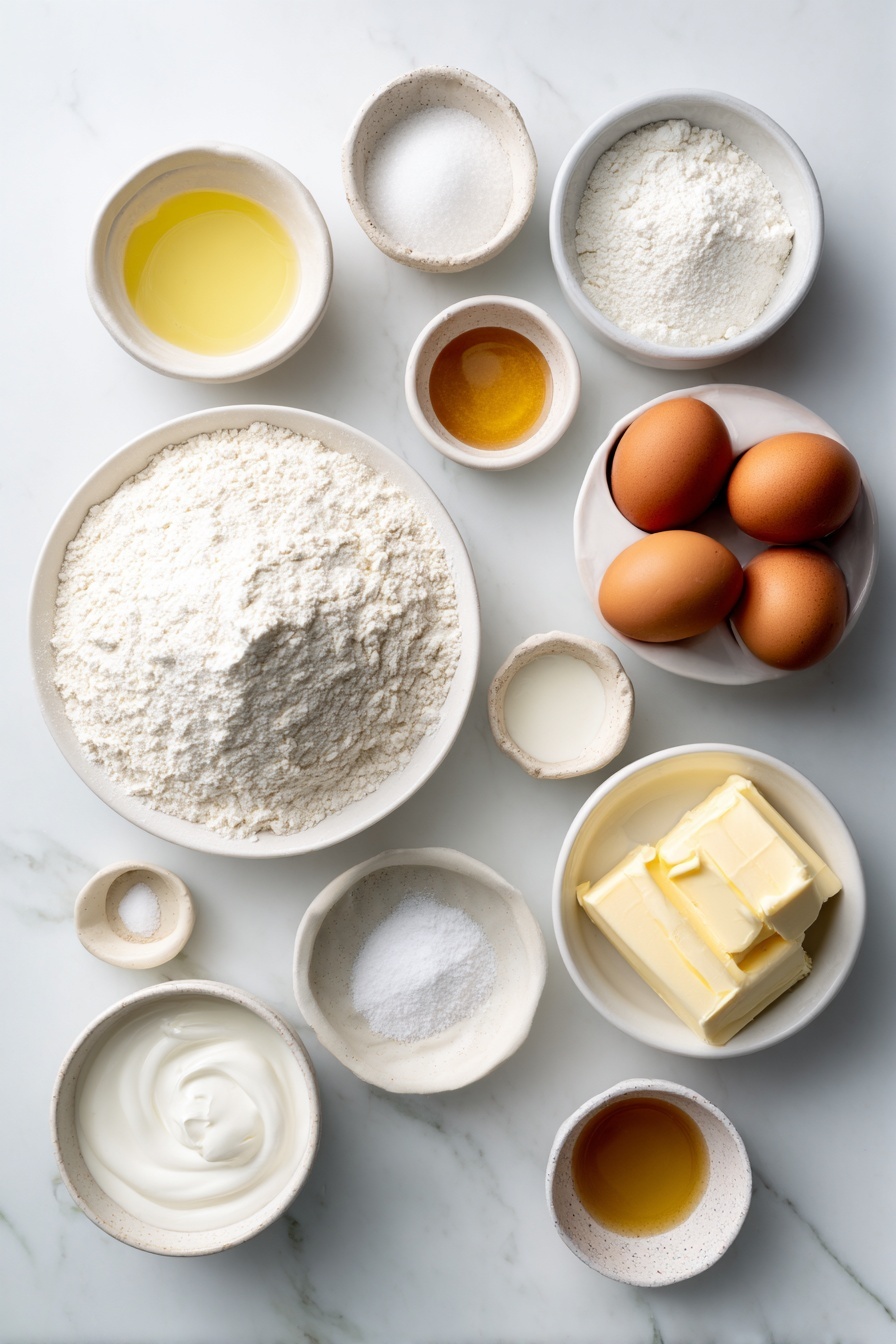
- All-purpose flour: Provides structure but paired with cornstarch, it keeps the crumb tender like a cake flour blend.
- Cornstarch: Lightens the flour, preventing toughness in the finished cake.
- Baking soda & baking powder: Work together to give your cake a perfect rise and fluffy texture.
- Unsalted butter: Adds rich flavor and helps tenderize the cake; make sure it’s room temperature for easy creaming.
- Canola oil (or another neutral vegetable oil): Keeps the cake moist and soft without an oily aftertaste.
- Granulated sugar: Sweetens and helps achieve that lovely light crumb; I use white sugar for a clean vanilla flavor.
- Eggs: Provide structure and richness; I always bring them to room temp before baking for better mixing.
- Vanilla extract: The heart of the recipe—using real vanilla extract (not just essence) makes all the difference.
- White vinegar: Brightens the cake and reacts with baking soda to help it rise beautifully.
- Buttermilk: Adds moisture and a subtle tang that balances sweetness perfectly.
- Powdered sugar, butter, milk for buttercream: These combine into a dreamy, fluffy frosting that’s sweet but not overwhelming.
Tweak to Your Taste
I love how versatile this Vanilla Cake with Buttercream Recipe is; it’s easy to make your own tweaks to suit your mood or occasion. Whether you want a lighter frosting or a hint of citrus in the batter, it takes these changes beautifully.
- Variation: Adding a tablespoon of finely grated lemon zest to the batter gives the cake a fresh twist—one of my favorite experiments for springtime treats.
- Dietary tweaks: You can swap the all-purpose flour with cake flour or gluten-free blends if needed; just be mindful to adjust the liquid quantities slightly.
- Frosting options: If American buttercream is too sweet for you, try swapping it with Swiss meringue buttercream—I’ve done it and loved the silky texture.
Step-by-Step: How I Make Vanilla Cake with Buttercream Recipe
Step 1: Prep like a Pro
Start by preheating your oven to 165°C (330°F) with the fan on if you have it. This ensures even baking, especially for delicate cakes like this one. Next, grease and line two 8-inch cake pans—trust me, using a homemade cake release or parchment paper circles saves frustration when turning out the layers.
Step 2: Mix Dry Ingredients
In a bowl, sift together your flour, cornstarch, baking soda, baking powder, and salt. Whisk everything to combine well. This mix is the backbone of your cake’s texture, so don’t skip the sifting—it helps avoid lumps and evenly distributes the rising agents.
Step 3: Cream Butter, Oil, and Sugar
Using an electric mixer, cream together butter, oil, and sugar for around two minutes until light and fluffy. This step aerates the mixture, giving your cake that beautiful rise and tender crumb. If your butter isn’t at room temp, the mixture won’t come together well—so take a sec to soften it ahead of time.
Step 4: Add Eggs and Flavorings
Now, add the eggs one at a time, beating well after each addition. This ensures even incorporation and prevents the batter from curdling. Then stir in the vanilla extract, vinegar, and half a cup of buttermilk until combined; these ingredients brighten and balance the batter.
Step 5: Fold in Dry Ingredients and Buttermilk
This part is where patience pays off—fold half of your dry ingredients gently into the wet mix with a spatula, just until combined. Then fold in the remaining buttermilk, followed by the rest of the dry ingredients. Overmixing here will make your cake tough, so stop as soon as the flour strands disappear.
Step 6: Bake and Cool
Divide the batter evenly between your prepared pans and bake for about 30 minutes. You’ll know the cakes are done when a toothpick inserted comes out clean. After baking, cool the layers in their pans for 15-20 minutes before turning them onto wire racks to cool completely—this step prevents the buttercream from melting when you frost.
Step 7: Make and Frost with Buttercream
For the frosting, combine butter, powdered sugar, vanilla, and milk in a mixer. Start on low speed to avoid a sugar cloud, then crank it up to medium-high for about 10 minutes until it’s light, fluffy, and spreadable. Scrape down the bowl halfway through to make sure everything mixes evenly. Spread the frosting generously between layers and all over the cake—you deserve it!
Pro Tips for Making Vanilla Cake with Buttercream Recipe
- Use Room Temperature Ingredients: Eggs and butter at room temp blend better and give you a smooth batter and frosting.
- Don’t Skip Sifting: Helps with a fine crumb and avoids dense pockets of flour.
- Folding Matters: Gently folding in dry ingredients instead of vigorously mixing keeps the cake soft and tender.
- Watch Your Oven Temps: Fan ovens bake faster—test your cake a little earlier than the full time to avoid drying out.
How to Serve Vanilla Cake with Buttercream Recipe
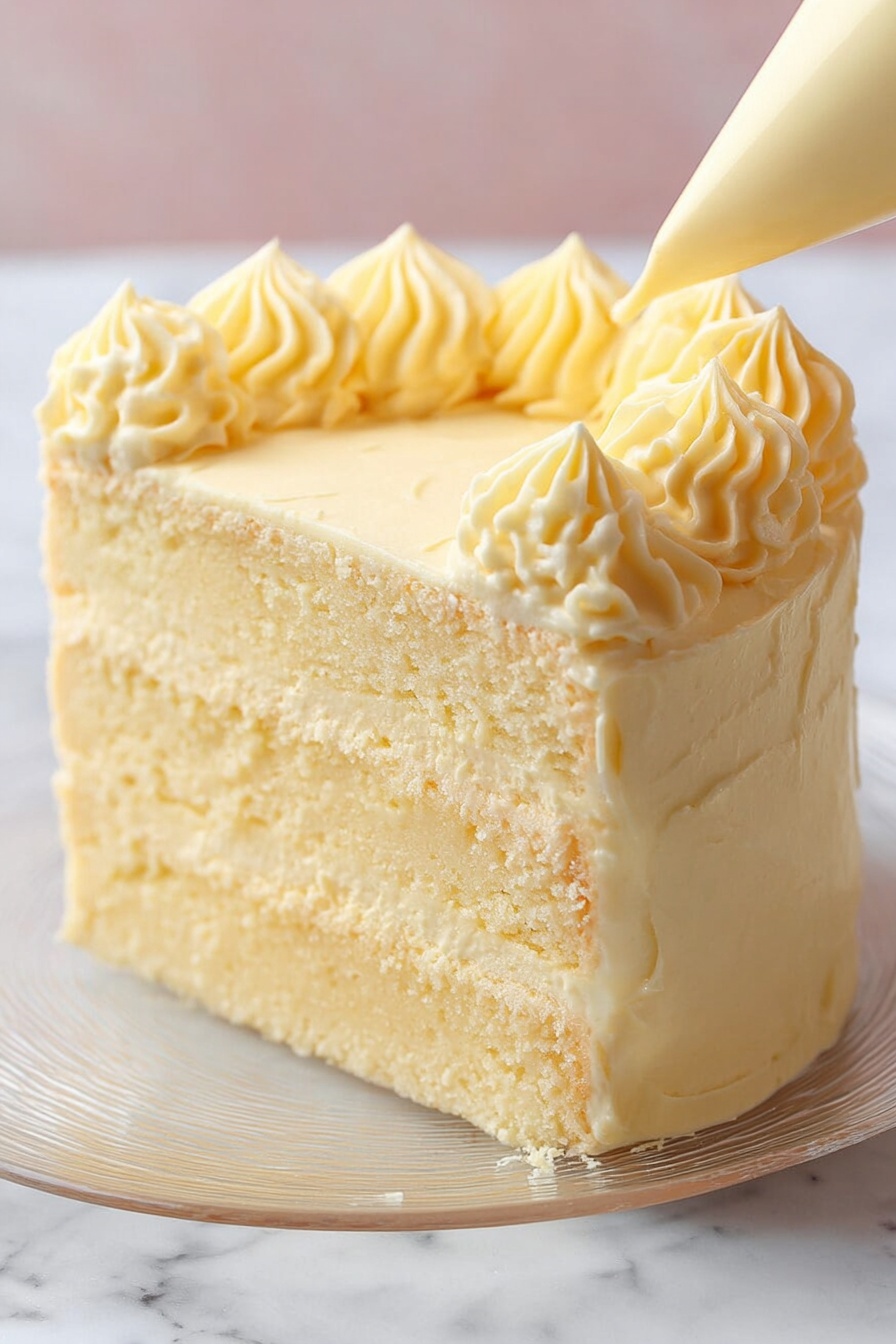
Garnishes
I usually keep garnishes simple—fresh berries like strawberries or raspberries add a burst of color and a tart contrast to the sweet buttercream. Sometimes I sprinkle edible gold dust or add a few delicate edible flowers to make it look extra special for birthdays.
Side Dishes
This vanilla cake pairs wonderfully with a scoop of vanilla bean ice cream or a dollop of lightly whipped cream. For something fruity, a small bowl of macerated berries on the side complements it beautifully.
Creative Ways to Present
One of my favorite ideas is to serve this cake as a layered trifle with pieces of cake, frosting, fresh fruit, and a sprinkle of toasted nuts or coconut. Another time, I made vertical slices and arranged them on a platter with a drizzle of homemade caramel—it was such a hit at my last gathering!
Make Ahead and Storage
Storing Leftovers
I store any leftover cake wrapped tightly in plastic wrap and kept in an airtight container in the fridge. It stays fresh for about 3-4 days and the buttercream keeps it moist. Just remember to let it come to room temp before serving to bring back that softness.
Freezing
Freezing works well for this cake! I slice it into layers and wrap them individually in plastic wrap, then place them in a freezer-safe container. When you’re ready, thaw in the fridge overnight and bring to room temperature before frosting or serving.
Reheating
If you want to warm a slice, I gently microwave it for 10-15 seconds—enough to feel warm but not so much that the buttercream melts. This makes each bite feel fresh out of the oven.
FAQs
-
Can I use cake flour instead of all-purpose flour for this recipe?
Absolutely! Using cake flour can make the cake even more tender. Just replace the all-purpose flour and cornstarch with 325g of cake flour for best results, maintaining the same overall weight of dry ingredients.
-
Why does this recipe include vinegar in the batter?
The white vinegar reacts with the baking soda to help the cake rise properly and tenderizes the crumb. It also enhances the vanilla flavor, but don’t worry—the vinegar taste disappears during baking!
-
Can I use homemade buttermilk instead of store-bought?
You can, but since homemade buttermilk is usually thinner, I recommend reducing the amount to about 1 1/4 cups (275g) to keep the batter balanced and ensure a moist but not soggy cake.
-
How do I avoid overmixing the batter?
Fold the dry ingredients in gently with a spatula, just until no streaks of flour remain. Overmixing develops gluten and results in a dense cake. Remember: less is more here!
-
What’s the best way to store leftover frosted cake?
Keep the cake in an airtight container in the fridge, wrapped with plastic wrap to lock in moisture. Before slicing, let it sit at room temp for 30-60 minutes to soften the buttercream and cake texture.
Final Thoughts
This Vanilla Cake with Buttercream Recipe holds a special place in my kitchen repertoire because it’s the kind of cake that feels like a hug in dessert form—comforting, reliable, and so satisfying. I hope after trying it, you’ll find yourself reaching for this recipe time and again, whether it’s a simple weekday treat or a centerpiece for a celebration. Happy baking, my friend!
Print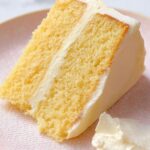
Vanilla Cake with Buttercream Recipe
- Prep Time: 10 minutes
- Cook Time: 30 minutes
- Total Time: 2 hours 10 minutes
- Yield: 12 servings
- Category: Dessert
- Method: Baking
- Cuisine: American
- Diet: Vegetarian
Description
This Soft Vanilla Cake recipe features a tender, moist crumb with a delicate vanilla flavor. The cake is made using a combination of butter and vegetable oil for richness and moisture, complemented by buttermilk for a tender texture. It is finished with a smooth and creamy vanilla buttercream frosting, making it perfect for celebrations or any occasion that calls for a classic, delicious vanilla cake.
Ingredients
Vanilla Cake
- 2¼ cups (300 g) all purpose flour
- ¼ cup (25 g) cornstarch
- ½ tsp baking soda
- 1 tsp baking powder
- ½ tsp salt (omit if using salted butter)
- ½ cup (113 g) unsalted butter, room temperature
- ½ cup (105 g) unflavoured vegetable oil (canola)
- 1⅔ cups (332 g) white granulated sugar
- 3 large eggs, room temperature
- 1¼ tbsp vanilla essence/extract
- 1 tsp white vinegar
- 1½ cups (337 g) buttermilk, room temperature
Vanilla Buttercream Frosting
- 1½ cups (340 g) unsalted butter, room temperature
- 3 cups (375 g) powdered sugar
- 1½ tsp vanilla essence/extract
- 1½ tbsp milk (heavy cream or whipping cream also okay)
Instructions
- Preheat and prepare pans: Preheat oven to 165 °C (330°F) with fan on. Grease and/or line two 8 inch cake tins.
- Sift dry ingredients: In a bowl, sift together flour, cornstarch, baking soda, baking powder, and salt. Whisk until well combined and set aside.
- Cream butter, oil, and sugar: In another bowl, use an electric mixer to cream butter, vegetable oil, and sugar for 2 minutes until light and creamy.
- Add eggs: Add eggs one at a time, mixing well for 10-15 seconds after each addition.
- Add vanilla, vinegar, and buttermilk: Mix in vanilla essence, white vinegar, and half a cup of the buttermilk until well combined. Set mixer aside.
- Fold in dry ingredients and remaining buttermilk: Fold half of the dry ingredients into the mixture gently with a spatula until just combined. Then fold in 1 cup of buttermilk, and finally fold in the remaining dry ingredients. Avoid overmixing.
- Bake the cake layers: Evenly distribute batter into prepared tins and bake for 30 minutes or until a toothpick inserted comes out clean.
- Cool the cakes: Let cakes cool in pans for 15-20 minutes before removing to a wire rack to cool completely.
- Prepare buttercream frosting: In a stand mixer bowl, combine powdered sugar, butter, vanilla, and milk. Mix on low speed until combined (about one minute), then increase to medium-high and beat for 10 minutes, scraping down the bowl halfway through.
- Frost the cake: Use the prepared vanilla buttercream to frost the cooled cake layers as desired.
Notes
- You can substitute cake flour for the combination of all purpose flour and cornstarch (325 g total) for a lighter texture.
- If using a stand mixer, use the paddle attachment for initial mixing but finish the folding by hand to avoid overmixing.
- Gently folding the batter prevents excess gluten formation, resulting in a softer cake. Mix only until flour strands disappear and batter is uniform.
- The vanilla buttercream is an American style, sweeter frosting. For a less sweet alternative, try Swiss meringue or French buttercream.
- If your oven does not have a fan function, increase baking temperature to 175°C (347°F) to bake at similar rate.
- Using store bought buttermilk which is thicker is preferred. If using a homemade substitute, reduce amount to about 1¼ cups (275 g) for best results.
Nutrition
- Serving Size: 1 slice (based on 12 servings)
- Calories: 350 kcal
- Sugar: 35 g
- Sodium: 150 mg
- Fat: 18 g
- Saturated Fat: 10 g
- Unsaturated Fat: 7 g
- Trans Fat: 0 g
- Carbohydrates: 45 g
- Fiber: 1 g
- Protein: 4 g
- Cholesterol: 70 mg