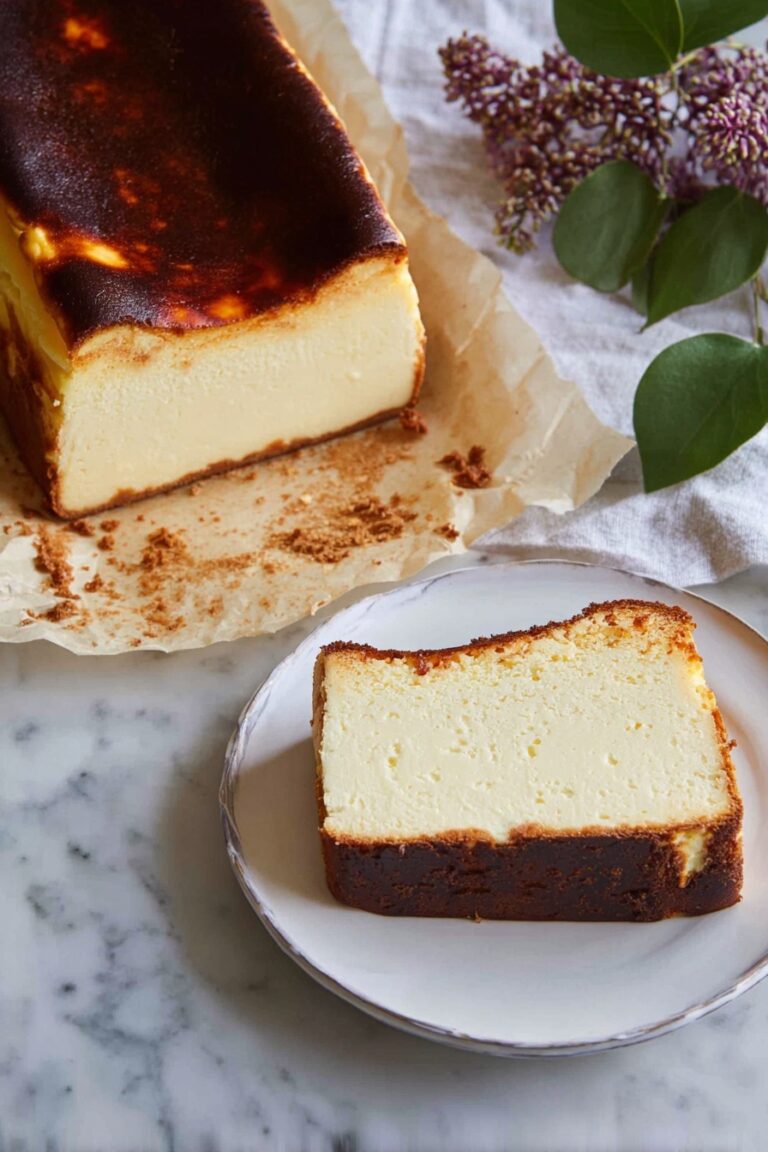

Lemon Rosemary Olive Oil Cake Recipe
If you’re craving a cake that’s bright, fresh, and just a little unexpected, you’re going to love this Lemon Rosemary Olive Oil Cake Recipe. It’s the perfect blend of zesty lemon and fragrant rosemary, all wrapped up in a tender, moist crumb thanks to the olive oil. I stumbled upon this cake on a whim one afternoon, and now it’s a staple whenever I want to impress guests or treat myself to something a little special. Keep reading, because I’m sharing all my best tips to help you nail it every time!
Why This Recipe Works
- Olive Oil’s Moisture & Flavor: Using olive oil instead of butter keeps the cake tender and imparts a subtle, fruity depth that you won’t get with other fats.
- Lemongrass Freshness: The zest and juice of fresh lemons make this cake wonderfully bright and lively without being overpowering.
- Fresh Rosemary Aroma: Chopped rosemary folded into the batter and as a finishing touch provides a fragrant herbal note that perfectly balances the citrus.
- Simple Ingredients & Quick Prep: You probably already have everything in your pantry, and it only takes about an hour start to finish, including baking.

Ingredients & Why They Work
The magic here is really in the quality and balance of your ingredients. I always recommend fresh rosemary and ripe lemons for the best aroma and flavor – trust me, it’s worth seeking out the freshest you can find.

- All Purpose Flour: Provides the structure of the cake; be sure to measure by spooning the flour lightly into your cup to avoid a dense result.
- Baking Powder & Baking Soda: Both help the cake rise beautifully, creating a light crumb.
- Eggs: They stabilize the batter and add richness; I always use room temperature eggs for better mixing.
- Sugar: Adds sweetness and helps with the cake’s tender crumb.
- Extra Virgin Olive Oil: This is the star fat in this recipe – choose a fruity, mild olive oil to complement the lemon and rosemary without overpowering.
- Milk: Adds a bit of moisture and tenderizes the crumb.
- Lemon Zest & Juice: The zest packs a punch of aroma, while the juice offers a fresh, subtle tartness.
- Fresh Rosemary (chopped & whole): The chopped rosemary blends into the batter for flavor, while the whole sprigs on top add beautiful visual appeal and aroma as it bakes.
- Powdered Sugar: Optional, but a lovely light dusting for garnish that boosts the cake’s charm.
- Heavy Whipping Cream, Powdered Sugar, Vanilla Extract, Mascarpone Cheese: These create the luscious whipped cream topping that adds a creamy contrast to the citrusy cake.
Tweak to Your Taste
I like making this Lemon Rosemary Olive Oil Cake Recipe my own depending on the occasion. Sometimes I add a handful of toasted almonds for crunch or swap the mascarpone whipped cream for a light lemon glaze. Feel free to play around!
- Variation: Adding a teaspoon of vanilla extract to the batter deepens the overall flavor. Once, I swapped fresh rosemary for thyme—surprisingly delightful and earns a spot in my recipe rotation!
- Dietary Swaps: For a dairy-free version, skip the mascarpone cream and dust with extra lemon zest and powdered sugar instead.
- Seasonal Changes: In fall, a sprinkle of cinnamon with the rosemary complements the lemon beautifully.
Step-by-Step: How I Make Lemon Rosemary Olive Oil Cake Recipe
Step 1: Prep and Mix Dry Ingredients
Start by preheating your oven to 350°F and greasing a 9-inch springform pan—you want the cake to release easily later. In a medium bowl, whisk together the flour, baking powder, baking soda, and salt. This helps everything distribute evenly, and you won’t get any salty clumps sneaking into a bite.
Step 2: Whip Sugar, Eggs, and Lemon Zest
Using an electric mixer, beat the sugar, eggs, and lemon zest until the mixture is thick, pale, and fluffy—about 3 to 4 minutes. This step traps air in the batter, which is the secret to a light cake. When I was starting out, I didn’t whip long enough and ended up with a denser cake, so be patient here.
Step 3: Add Rosemary and Olive Oil
Fold in 1 ½ tablespoons of chopped fresh rosemary, then slowly drizzle in your olive oil while the mixer is running on high. It might look oily at first, but keep beating for about 2 minutes and it will emulsify beautifully. This luscious mix is what makes the cake silky moist inside.
Step 4: Incorporate Milk, Lemon Juice, and Dry Ingredients
Reduce your mixer speed to low, and alternately add the milk and lemon juice with the dry ingredients. This gentle mixing keeps the batter from deflating but still pulls everything together seamlessly. Overmixing here is a common trap that leads to a tougher cake, so keep it light.
Step 5: Bake and Cool
Pour your batter into the pan and scatter the remaining ½ tablespoon of whole fresh rosemary over the top for a nice visual and aromatic flourish. Bake for 30 to 35 minutes, checking with a toothpick near the end—it should come out clean or with a few moist crumbs, never wet batter.
Let the cake cool in the pan for 10 minutes, then transfer it to a wire rack to cool completely before adding any toppings. This step ensures that the cake doesn’t get soggy underneath.
Step 6: Make the Mascarpone Whipped Cream
In a chilled bowl, whip the cold heavy cream with powdered sugar and vanilla extract until you see soft peaks. Add the cold mascarpone cheese and whip a bit more until stiff peaks form. This rich cream pairs wonderfully with the cake’s fresh flavors. You can spread it on top or serve alongside individual slices for a stunning presentation.
Pro Tips for Making Lemon Rosemary Olive Oil Cake Recipe
- Use Fresh Ingredients: Fresh lemons and rosemary make a huge difference; the aroma is unbeatable compared to dried or bottled extracts.
- Don’t Skip Whipping the Eggs & Sugar: This step adds air and volume, leading to a lighter cake texture—it’s worth the extra few minutes.
- Choose Mild Olive Oil: A fruity but light extra virgin olive oil complements the flavors without being too peppery or bitter.
- Watch Your Bake Time: Ovens vary; start checking at 30 minutes to avoid overbaking and dry cake.
How to Serve Lemon Rosemary Olive Oil Cake Recipe

Garnishes
I love finishing this cake with a light dusting of powdered sugar and a few more rosemary sprigs for that herbal pop. Sometimes, I zest an extra lemon right on top just before serving for an extra zing—it’s a small detail that guests always compliment.
Side Dishes
This cake pairs beautifully with fresh berries or a small bowl of lemon curd on the side. For afternoon tea, I sometimes serve it with a dollop of whipped mascarpone and a cup of Earl Grey or chamomile tea—the flavors marry so well.
Creative Ways to Present
For special occasions, I’ve layered this cake with lemon curd and thin slices of candied lemon between layers, then frosted it with mascarpone cream. It looks stunning and tastes like a highlight of the party. You can also serve slices on pretty plates with fresh rosemary sprigs and edible flowers for extra charm.
Make Ahead and Storage
Storing Leftovers
I store leftover cake tightly wrapped in plastic wrap or in an airtight container at room temperature if it will be eaten within 2 days. Beyond that, I pop it in the fridge to keep it fresh longer, but be aware that chilling can slightly dry out the cake, so I bring it back to room temperature before serving.
Freezing
This cake freezes beautifully! I slice it before freezing, wrap each piece in plastic wrap and foil, and pop the slices into a freezer bag. When I want a treat, I thaw at room temperature or give the slice a few seconds in the microwave for a quick fix that tastes fresh.
Reheating
If you have leftover slices, I find reheating gently in a toaster oven or microwave for 10-15 seconds revives the moisture and lifts the flavors. Avoid overheating to keep the cake soft and tender.
FAQs
-
Can I use dried rosemary instead of fresh in this Lemon Rosemary Olive Oil Cake Recipe?
While fresh rosemary is best for its vibrant aroma and flavor, you can substitute dried rosemary—use about one-third the amount as dried herbs are more concentrated. However, I find dried rosemary can sometimes be too woody or overpowering in baked goods, so fresh is recommended if possible.
-
Is it okay to use vegetable oil instead of olive oil?
You can use vegetable oil in a pinch, but you’ll lose the distinctive fruity, slightly peppery flavor olive oil imparts. The texture will be similar, but the unique taste of this Lemon Rosemary Olive Oil Cake Recipe comes from the high-quality olive oil, so it’s worth using if you can.
-
Can I make this cake gluten-free?
Yes! Try substituting the flour with a 1:1 gluten-free baking flour blend that includes xanthan gum. Just be mindful that the texture might be a bit different—gluten-free flours can sometimes make baked goods more crumbly, so handle gently.
-
How long will this cake keep fresh?
When stored properly at room temperature in an airtight container, this cake stays fresh for 2 days. Refrigerated, it can last up to 5 days but bring it to room temp before serving for best taste and texture.
Final Thoughts
This Lemon Rosemary Olive Oil Cake Recipe feels like a little slice of sunshine and herb garden combined—there’s something about the balance of citrus freshness and fragrant rosemary that just lifts my mood. I hope when you make it, it brightens your day as much as it does mine. It’s really easy to bake, but it tastes so special, you’ll find yourself sharing it at every gathering. Seriously, give it a try and let me know how it turns out—you might just find your new favorite spring (or anytime!) cake.
Print
Lemon Rosemary Olive Oil Cake Recipe
- Prep Time: 20 minutes
- Cook Time: 35 minutes
- Total Time: 55 minutes
- Yield: 10 servings
- Category: Dessert
- Method: Baking
- Cuisine: Italian
Description
A moist and flavorful Lemon Rosemary Olive Oil Cake with a delicate crumb, enhanced by the brightness of lemon zest and juice, fragrant fresh rosemary, and the richness of olive oil. Served with an optional luscious mascarpone whipped cream, this cake is perfect for any occasion.
Ingredients
Cake
- 1 ½ cups all purpose flour
- 2 teaspoons baking powder
- ¼ teaspoon baking soda
- ¼ teaspoon salt
- 3 eggs
- 1 cup sugar
- ½ cup extra virgin olive oil
- 2 tablespoons milk
- Zest of 2 lemons
- Juice of 1 lemon
- 1 ½ tablespoons fresh rosemary chopped
- ½ tablespoon fresh rosemary not chopped
- Powdered sugar for dusting, optional
Mascarpone Whipped Cream
- 1 cup heavy whipping cream cold
- ½ cup powdered sugar
- ¾ teaspoon vanilla extract
- 7 ounces mascarpone cheese drained, cold
Instructions
- Preheat and prepare pan: Preheat oven to 350 F. Butter or lightly oil a 9-inch springform pan to prevent sticking.
- Mix dry ingredients: In a medium bowl, whisk together the all purpose flour, baking powder, baking soda, and salt. Set aside.
- Beat eggs and sugar: In the bowl of an electric mixer fitted with a whisk attachment, beat the sugar, eggs, and lemon zest on high speed until thick, fluffy, and pale, about 3-4 minutes.
- Add chopped rosemary and olive oil: Add the chopped rosemary to the egg mixture. Then, with the mixer running on high, slowly pour in the olive oil and beat until fully combined, about 2 minutes.
- Add milk, lemon juice, and dry ingredients: Reduce mixer speed to low. Alternately add the milk and lemon juice along with the dry ingredients to the batter, mixing gently until incorporated.
- Pour and top batter: Pour the batter into the prepared springform pan. Scatter the remaining ½ tablespoon of fresh, non-chopped rosemary evenly on top of the batter.
- Bake the cake: Bake in the preheated oven for 35 minutes, or until a toothpick inserted into the center comes out clean or with a few crumbs attached.
- Cool the cake: Place the pan on a cooling rack and allow the cake to cool in the pan for 10 minutes. Remove the cake from the pan and cool completely on the rack.
- Optional finishing: Once cooled or before serving, dust the cake with powdered sugar, spread mascarpone whipped cream on top, or drizzle with lemon icing if desired.
- Prepare mascarpone whipped cream: In a clean bowl of an electric mixer with the whisk attachment, whip the cold heavy whipping cream, powdered sugar, and vanilla extract on high speed until soft peaks form.
- Add mascarpone cheese: Add the cold mascarpone cheese to the whipped cream and continue whipping until stiff peaks form. Spread on top of the cooled cake or serve alongside individual slices.
Notes
- Ensure eggs and heavy cream are cold for best whipping results.
- Use fresh rosemary for the best flavor and aroma.
- You can substitute milk with plant-based milk for a dairy-free option, but the mascarpone whipped cream will not be dairy-free.
- The cake is best served the same day but can be stored covered in the refrigerator for up to 3 days.
- For a more intense lemon flavor, add a bit more lemon zest or a teaspoon of lemon extract.
- Powdered sugar dusting is optional but adds a lovely decorative touch.
Nutrition
- Serving Size: 1 slice
- Calories: 320 kcal
- Sugar: 24 g
- Sodium: 150 mg
- Fat: 20 g
- Saturated Fat: 7 g
- Unsaturated Fat: 12 g
- Trans Fat: 0 g
- Carbohydrates: 30 g
- Fiber: 1 g
- Protein: 5 g
- Cholesterol: 85 mg