Butter Cookies Recipe
If you’ve been on the hunt for the perfect buttery, melt-in-your-mouth treat, this Butter Cookies Recipe is about to become your new best friend. Trust me, these cookies are simple to make, yet so utterly delicious you’ll find yourself coming back to this recipe time and again. From the first bite, you’ll notice that classic buttery flavor and tender crumb that just can’t be beat. Plus, I’ve sprinkled in plenty of tips and tricks along the way so you can nail this recipe perfectly every time.
Why This Recipe Works
- Simple Ingredients: Uses classic pantry staples that blend to create a rich, buttery flavor without any fuss.
- Piping Technique: Piping the dough ensures perfectly shaped cookies with delicate edges every time.
- Chill Step: Chilling the dough after piping helps prevent spreading and keeps cookies firm and tender.
- Quality Butter: Using high-quality butter makes all the difference in taste and texture, elevating simple ingredients to bakery-level cookies.

Ingredients & Why They Work
Every ingredient in this Butter Cookies Recipe plays a special role in crafting buttery, tender cookies that hold their shape beautifully. Make sure to choose the best quality butter you can find—it truly makes a noticeable difference in flavor and texture. If you’re able, opt for a brand like Kerrygold or Tillamook to elevate this humble recipe.
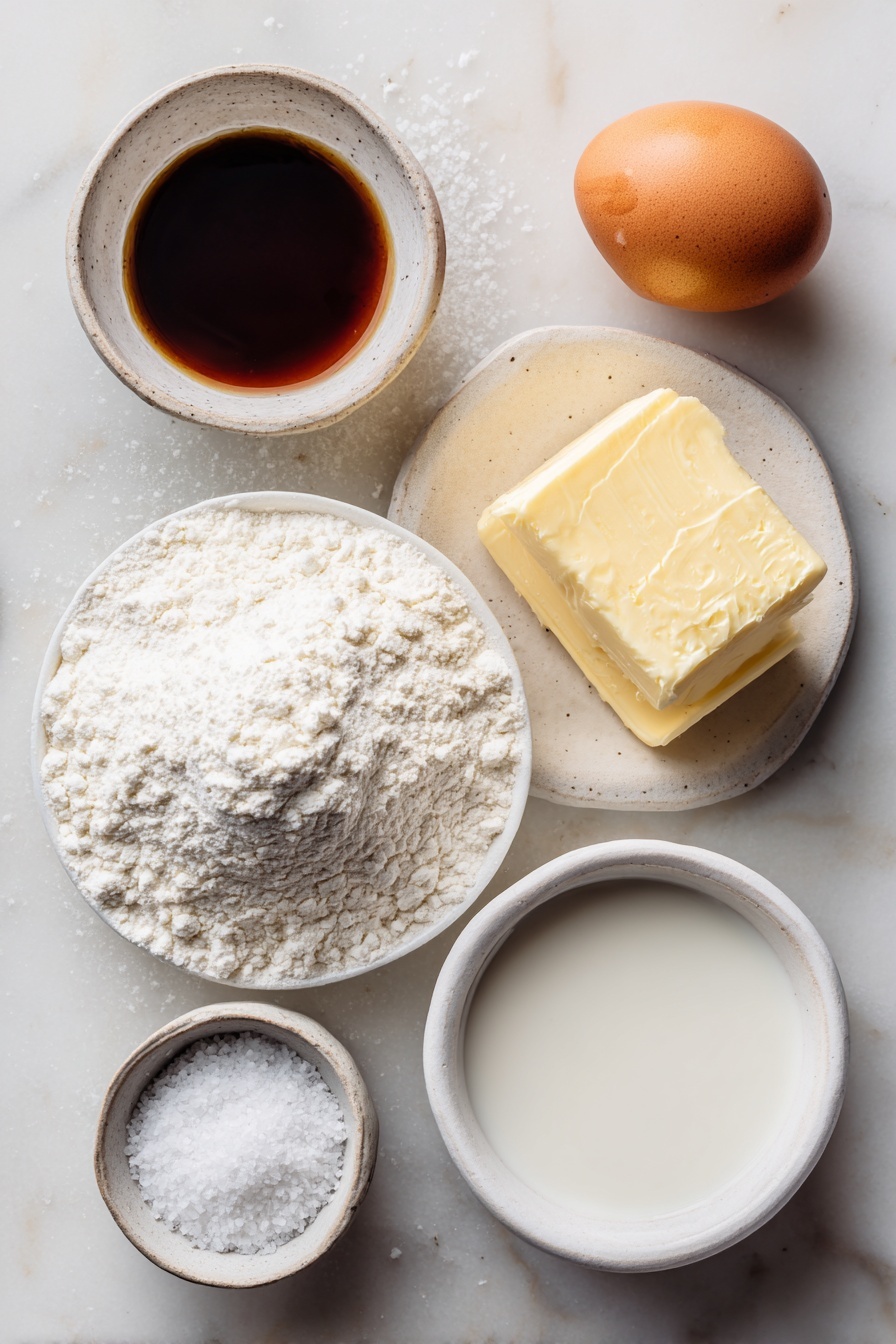
- Unsalted butter: Using unsalted butter lets you control the salt level perfectly, and the fat content contributes to that lovely melt-in-your-mouth texture.
- Granulated sugar: Sweetens without changing the cookie’s texture, giving just enough crunch on the edges when baked.
- Large egg: Binds ingredients while adding moisture, giving structure without making cookies cakey.
- Vanilla extract: Amplifies the buttery richness with its warm, sweet aroma.
- All-purpose flour: The base that provides structure; be mindful not to overmix to keep cookies tender.
- Salt: Balances sweetness and enhances the overall flavor.
- Milk: Helps adjust dough consistency for piping, adding just the right amount of moisture.
Tweak to Your Taste
I love how flexible this Butter Cookies Recipe is! It’s a great base that you can customize with fun additions or dietary tweaks. Whether you want to swap in a bit of almond extract or add a sprinkle of cinnamon, it’s all doable and delicious. Here’s what I’ve tried and loved:
- Variation: Adding finely chopped nuts or a handful of mini chocolate chips can make these cookies feel extra special — I’ve done this for holiday baking, and guests always ask for the recipe.
- Dairy-Free: You can substitute the butter with a solid coconut oil blend or a vegan butter alternative; just keep an eye on dough consistency as it may vary slightly.
- Flavored Sugar: Rolling the piped cookies in colored sugar or sanding sugar before chilling adds a pretty sparkle and a hint of extra sweetness.
Step-by-Step: How I Make Butter Cookies Recipe
Step 1: Cream Butter and Sugar Until Fluffy
Start by letting your butter soften to room temperature—it should be soft enough to press a finger into but not melted. Using a stand mixer or hand mixer, cream the butter and sugar together on medium-low speed until you notice a fluffy, pale texture. This step is crucial because it introduces air that gives your cookies a tender crumb. I usually spend around 3-4 minutes here, and I make sure to scrape the bowl down a couple times to get even mixing.
Step 2: Mix in Egg and Vanilla
Once your butter and sugar have that beautiful creamy texture, crack in the egg and pour the vanilla extract. Continue beating on medium-low speed until the mixture is smooth and well combined. I like to stop and give the bowl a quick scrape again just to make sure everything is perfectly incorporated.
Step 3: Add Flour and Salt Carefully
Now, lower your mixer speed and gradually add the all-purpose flour and salt. This part requires some gentle patience—you want to mix just until the dough comes together without overworking it, or your cookies risk turning tough. I usually stop mixing as soon as I no longer see streaks of flour, then give it a quick fold with a spatula if needed.
Step 4: Adjust Consistency with Milk
Next, add milk one tablespoon at a time while mixing to reach a consistency that’s just right for piping—think thick but creamy. You may not need all the milk; I remind myself to add only as much as needed to avoid overly soft dough that spreads too much in the oven.
Step 5: Pipe and Chill Your Cookies
Transfer the dough into a piping bag fitted with a round tip. Pipe small circles onto a parchment-lined baking sheet. If you want, add colorful sprinkles on top for some fun flair. Here’s a critical step: chill your piped dough on the baking sheet in the fridge for 20-30 minutes. I swear by this, as it helps prevent cookies from spreading too much and keeping those cute edges intact.
Step 6: Bake and Cool
Pop the chilled cookies into the oven preheated to 350°F and bake for about 10 minutes, or until the edges just begin to turn golden. I keep a close eye on this part because overbaking can dry out the cookies, while underbaking leaves them too soft. Once baked, remove from the oven and let them cool completely on the tray—this way, they firm up perfectly.
Pro Tips for Making Butter Cookies Recipe
- Butter Quality Matters: I’ve learned that switching to a top-tier butter brand like Kerrygold drastically improves flavor and stops the dough from spreading too much.
- Chill After Piping: Don’t skip chilling your cookies once piped! It’s the secret to those perfectly shaped rounds that bake evenly every time.
- Don’t Overmix: Always mix flour in gently and stop as soon as the dough comes together to keep cookies tender instead of dense.
- Watch Your Oven: My first batches browned too fast, so I learned to keep an eye on edges and bake just until they turn light golden to avoid dryness.
How to Serve Butter Cookies Recipe
Garnishes
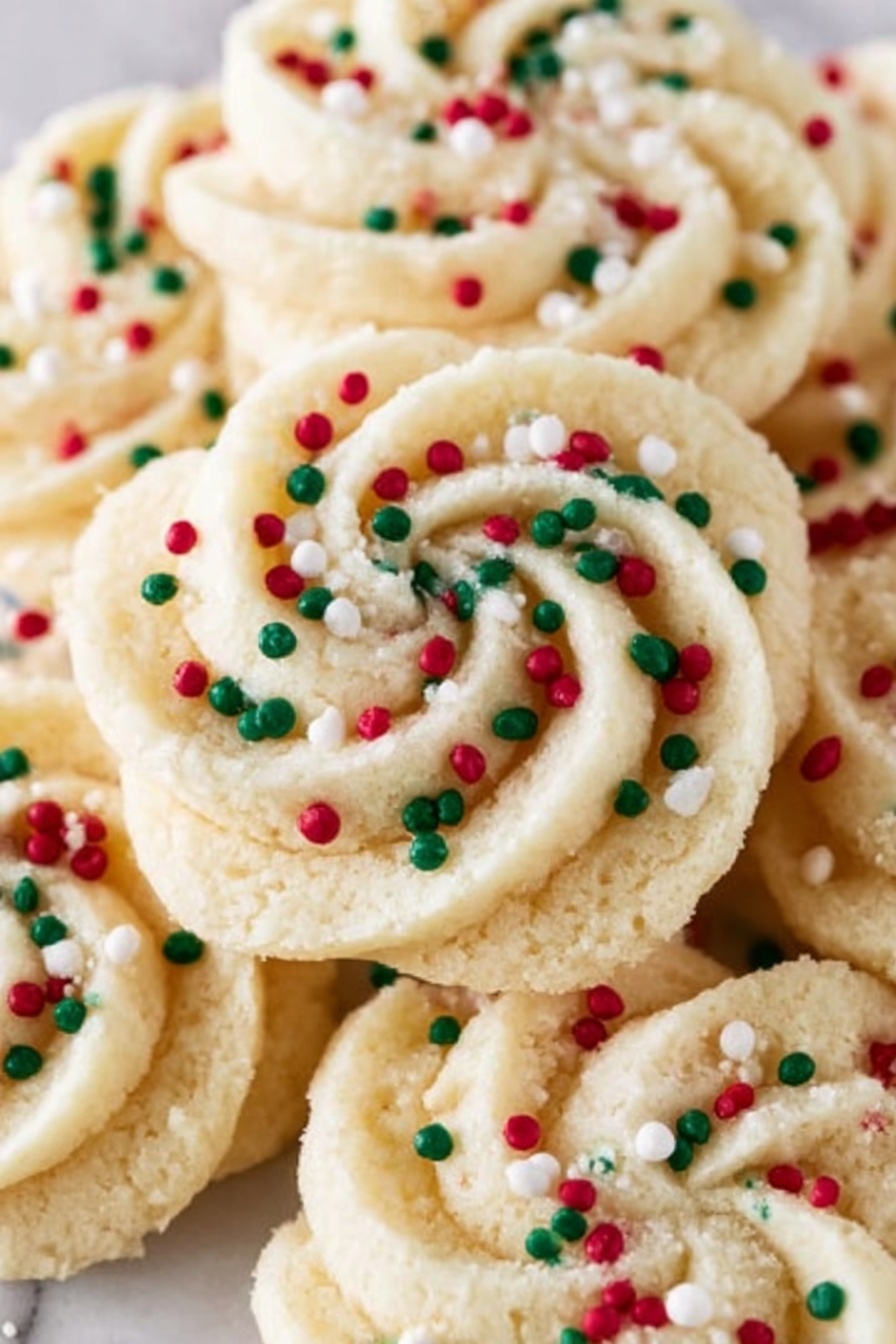
I often garnish these cookies with colorful sanding sugar or tiny sprinkles before baking — it adds a joyful pop of color without overpowering the buttery flavor. For a festive touch, I’ve also dipped half the cookies in melted chocolate once cooled.
Side Dishes
These cookies are a dream with a hot cup of tea, coffee, or even a glass of cold milk. For parties, I like to serve them alongside a fruit platter or a cheese board to balance sweetness with savory bites.
Creative Ways to Present
For special occasions, I’ve arranged these butter cookies in pretty tins layered with parchment paper, tied with a ribbon for gifting. You can also stack them with wax paper in between for a charming homemade cookie tower centerpiece.
Make Ahead and Storage
Storing Leftovers
Leftover butter cookies keep wonderfully at room temperature in an airtight container for up to a week. I recommend a cookie tin or glass jar with a tight seal to lock in that fresh-baked flavor.
Freezing
I love freezing these cookies to extend their shelf life. After cooling completely, I layer them between sheets of parchment in a freezer-safe container. They keep for up to six months and thaw beautifully at room temperature.
Reheating
If you want to freshen up frozen or stored cookies, pop them in a 300°F oven for about 5 minutes—just enough to warm through and restore that fresh-baked aroma without drying them out.
FAQs
-
Can I use salted butter for this Butter Cookies Recipe?
It’s best to use unsalted butter so you can control the salt content in the recipe precisely. Using salted butter can make the cookies too salty or throw off the balance. If all you have is salted butter, reduce or omit the added salt in the recipe.
-
Why do my butter cookies spread too much?
There are a few reasons cookies spread too much: using butter that’s too soft or warm, skipping the chilling step, or dough being too wet. Also, with recent changes in butter formulations by some brands, moisture content can be higher. Try chilling your dough well and consider adding a tablespoon or two more flour if spreading persists.
-
Can I make these cookies without a piping bag?
You can form these cookies by spooning or rolling dough into balls, but piping creates a uniform shape and texture that’s hard to replicate otherwise. If you don’t have a piping bag, try using a plastic zip-top bag with a small corner snipped off.
-
How long do butter cookies stay fresh?
Stored properly in an airtight container at room temperature, butter cookies stay fresh for 5 to 7 days. Beyond that, freezing is a great option to maintain freshness longer.
Final Thoughts
This Butter Cookies Recipe holds a special place in my heart because it’s one of those foolproof classics that never disappoints. Whether you’re baking for a holiday, a casual snack, or to share with friends, this recipe delivers buttery, tender cookies every single time. I hope you enjoy making and eating these as much as I do—it’s truly a simple pleasure worth savoring. So grab your butter, preheat that oven, and get ready to fill your kitchen with warm, sweet memories!
Print
Butter Cookies Recipe
- Prep Time: 15 minutes
- Cook Time: 12 minutes
- Total Time: 27 minutes
- Yield: 24 cookies
- Category: Dessert
- Method: Baking
- Cuisine: American
Description
Classic buttery cookies with a soft, melt-in-your-mouth texture, perfect for any occasion. These butter cookies are made with high-quality butter, sugar, and vanilla, baked to golden perfection and easy to customize with sprinkles or other toppings.
Ingredients
Main Ingredients
- 1 cup unsalted butter softened
- 1 cup granulated sugar
- 1 large egg
- 2 teaspoons vanilla extract
- 2 cups all purpose flour
- ½ teaspoon salt
- 1-2 tablespoons milk (any kind)
Instructions
- Preheat oven and prepare baking sheet. Preheat your oven to 350 degrees Fahrenheit and line a baking sheet with parchment paper. Set it aside for later.
- Cream butter and sugar. In a large bowl or stand mixer, beat the softened butter and granulated sugar on medium-low speed until the mixture becomes light and fluffy, about 2-3 minutes.
- Add egg and vanilla. Add the large egg and vanilla extract to the butter-sugar mixture and continue beating on medium-low speed until the mixture is smooth and fully combined.
- Add flour and salt. Slowly incorporate the all-purpose flour and salt into the wet ingredients, mixing just until fully combined. Avoid overmixing to keep cookies tender.
- Add milk to reach piping consistency. Add 1 tablespoon of milk at a time, mixing gently to reach a dough consistency suitable for piping. Use the minimum amount needed, up to 2 tablespoons.
- Pipe the dough onto baking sheet. Transfer the dough to a piping bag and pipe small circles onto the prepared baking sheet. Optionally, sprinkle with decorations like sprinkles.
- Chill the dough before baking. Refrigerate the prepared baking sheets with the piped dough for at least 30 minutes to chill the dough thoroughly before baking.
- Bake the cookies. Bake in the preheated oven for 10 minutes, or until the edges of the cookies turn golden brown.
- Cool and serve. Remove the cookies from the oven and allow them to cool completely on the baking sheet before serving or storing.
Notes
- Store cookies at room temperature for 5-7 days or freeze for up to 6-8 months to maintain freshness.
- Chilling the dough after piping and before baking is crucial to prevent cookie spreading.
- If your cookies spread too much, try adding a few additional tablespoons of flour to the dough to thicken it.
- Use high-quality, brand-name butter for best results, as some butters have higher moisture content that can affect spreading.
- Weather and altitude can affect baking outcomes; adjustments may be necessary.
Nutrition
- Serving Size: 1 cookie
- Calories: 110 kcal
- Sugar: 7 g
- Sodium: 55 mg
- Fat: 7 g
- Saturated Fat: 4 g
- Unsaturated Fat: 2 g
- Trans Fat: 0 g
- Carbohydrates: 11 g
- Fiber: 0.3 g
- Protein: 1 g
- Cholesterol: 20 mg