
Beef Stir Fry with Vegetables Recipe
If you’re looking for a quick, tasty dinner that hits all the right notes – fresh, savory, and downright satisfying – then you’re in the right spot. This Beef Stir Fry with Vegetables Recipe is honestly one of my all-time favorites. It’s got tender strips of beef, crunchy veggies, and a sauce that’s packed with flavor without overpowering. Plus, it comes together so fast, it’s perfect for those weekdays when you want something delicious but don’t have hours to spend in the kitchen.
Why This Recipe Works
- Quick Marination: Letting the beef soak up soy sauce and cornstarch ensures every bite is tender and flavorful.
- Balanced Vegetables: The mix of crunchy broccoli, sweet bell peppers, and crisp snow peas adds color and texture to the dish.
- Simple Homemade Sauce: A blend of soy, brown sugar, garlic, and ginger keeps it authentic yet approachable.
- Seared Beef Technique: Cooking the beef in batches gives it that perfect sear without steaming or overcrowding.

Ingredients & Why They Work
Choosing the right ingredients really elevates this Beef Stir Fry with Vegetables Recipe. I like using fresh veggies with different textures and colors—they’re not only vibrant but make the dish feel wholesome. Also, the flank steak absorbs the marinade beautifully, so it stays juicy.

- Flank steak: It’s lean but tender when sliced thin against the grain, perfect for quick stir-frying.
- Soy sauce: Adds delicious umami and saltiness; I prefer low sodium if you want to control salt.
- Cornstarch: Helps tenderize the beef and gives the sauce a nice glossy finish.
- Vegetable oil: Neutral flavor and high smoke point are ideal for that high heat cooking.
- Broccoli florets: Crisp and nutrient-packed, they hold up well to quick cooking.
- Shredded carrots: Add a subtle sweetness and great color contrast.
- Snow peas: Their snap adds a wonderful crunch.
- Red bell pepper: Sweet, juicy, and colorful, it brightens the entire dish.
- Green onion: Adds freshness and a mild bite when sprinkled at the end.
- Light brown sugar: Balances salty and savory elements with a hint of caramel.
- Garlic powder & ginger: The backbone spices that bring warmth and depth to the sauce.
- Sesame seeds (toasted): They add an irresistible nutty flavor and a little crunch on top.
Tweak to Your Taste
I love that this Beef Stir Fry with Vegetables Recipe is super adaptable—making it your own is half the fun! I often play with the veggies based on what’s fresh or what’s in my fridge that week. You can easily add or swap ingredients to suit your mood.
- Variation: Personally, I’ve added mushrooms and baby corn before, and it made the stir fry even more comforting, especially when I wanted a bit more heartiness.
- Dietary twist: For a lower sodium version, swap regular soy sauce for tamari or coconut aminos.
- Spicy kick: If you like heat, toss in a pinch of red pepper flakes or a splash of sriracha right before serving.
- Plant-based option: Swap the beef for thinly sliced tofu or tempeh—it soaks up the marinade just as well.
Step-by-Step: How I Make Beef Stir Fry with Vegetables Recipe
Step 1: Prepare the beef and let it marinate
The key to tender beef in this stir fry is slicing it thinly across the grain—aim for strips about ½-inch thick and 2 inches long. Place these strips in a bowl or freezer bag, then toss with 2 tablespoons of soy sauce and 2 tablespoons of cornstarch. Letting it hang out for at least 30 minutes at room temp works wonders for flavor and texture. I usually prep this first so it can soak while I chop veggies.
Step 2: Get your veggies ready
I like to prep all my veggies upfront—broccoli florets, shredded carrots, snow peas, and sliced red bell pepper. Having everything ready before you start cooking means the stir fry goes smoothly without a hitch.
Step 3: Whisk together the sauce
Simple but oh-so-essential, the sauce combines half a cup of soy sauce, brown sugar, garlic powder, and ginger. Whisk it well and set it aside. It might not look like much now, but it’ll bring the whole dish to life in the pan.
Step 4: Sear the beef in batches
Heat 2 tablespoons of vegetable oil in a large skillet or wok over high heat. Take half the beef and spread it in a single layer—no crowding, or it won’t brown properly. Cook for about 3 minutes until it’s nicely seared, then remove to a plate. Repeat with the rest. This two-batch method is a game changer—I’ve found it keeps the beef juicy and caramelized instead of soggy.
Step 5: Stir fry the vegetables
Next, toss your prepared veggies—except for the green onions—into the hot skillet. Stir fry for 2 minutes to keep them vibrant and crisp. Don’t overcook here! The veggies should still have a bit of snap and pop to their texture.
Step 6: Bring it all together
Return the beef to the pan with the veggies and pour in your sauce. Stir everything together and heat through, just until the sauce thickens and coats every tender bite. Finish by sprinkling sliced green onions and the toasted sesame seeds on top for a final burst of flavor and crunch.
Pro Tips for Making Beef Stir Fry with Vegetables Recipe
- Slice Beef Properly: Chilling the steak for 30 minutes before slicing helps get those thin, uniform strips without it turning into a chewy mess.
- Don’t Crowd the Pan: Cooking the beef in batches lets each piece get those beautiful sear marks instead of steaming in its own juices.
- Toast Sesame Seeds Carefully: I always keep a close watch—they can go from perfectly toasted to burnt in seconds.
- Vegetable Timing: Toss in tender veggies like green onions right at the end so they keep their freshness and bite.
How to Serve Beef Stir Fry with Vegetables Recipe

Garnishes
I’m a big fan of finishing this dish with a generous sprinkle of toasted sesame seeds and sliced green onions—they add flavor depth and a pop of texture. Sometimes I’ll throw on some chopped fresh cilantro or a drizzle of sesame oil for extra aroma. If you like a little spice, a few red pepper flakes don’t hurt either.
Side Dishes
This stir fry shines over steamed jasmine rice or garlic fried rice for a comfort meal. I also love serving it with simple noodles—whether it’s traditional egg noodles or udon, the sauce clings wonderfully. For a lighter option, serve it alongside cauliflower rice or steamed greens.
Creative Ways to Present
For special dinners, I sometimes plate this in little lettuce cups—adds a refreshing crunch and makes it easy to eat. Another fun way is to arrange the stir fry atop crispy wonton wrappers for an appetizer vibe. And if you’re feeling fancy, a sprinkle of toasted sliced almonds or chopped peanuts can elevate the textures beautifully.
Make Ahead and Storage
Storing Leftovers
I usually refrigerate leftovers in an airtight container and they keep well for 3 to 4 days. The beef stays juicy and the veggies maintain some crunch, especially if you don’t overcook them initially. Just make sure to cool it down before storing to keep everything fresh.
Freezing
I’ve frozen this stir fry a couple of times, and while the beef holds up nicely, the vegetables can sometimes get a bit softer after thawing. To keep the best texture, I recommend freezing the beef and sauce separately or lightly undercooking the veggies before freezing.
Reheating
When reheating, I prefer to warm it on the stovetop quickly over medium heat with a splash of water or broth to keep it saucy and avoid drying out. It reheats well in the microwave too—just cover and stir halfway through so it heats evenly.
FAQs
-
Can I use another cut of beef if I can’t find flank steak?
Absolutely! Skirt steak is a great alternative because it’s similarly tender and flavorful when sliced thinly. Sirloin steak also works well if flank or skirt aren’t available. Just remember to slice thin against the grain for the best results.
-
What other vegetables can I use in this beef stir fry?
You’re super flexible here! Mushrooms, baby corn, zucchini, celery, bean sprouts, bok choy, or cabbage all make wonderful additions or swaps. Pick whatever you love or what’s fresh at your market.
-
Is this dish too salty because of the soy sauce?
If you find it a little salty, two easy fixes: add a teaspoon of vinegar like rice or apple cider vinegar to balance the flavors, or simply use low sodium soy sauce instead. Both tips help keep the dish perfectly seasoned.
-
Can I substitute brown sugar with white sugar?
Yes! White sugar will work just fine and will still add the sweetness your sauce needs. Brown sugar adds a slight molasses flavor, but white sugar keeps it simple and tasty.
-
Do I have to toast the sesame seeds, and how do I do it?
Toasting sesame seeds really brings out a nutty aroma that’s worth it, but if you’re in a pinch, you can skip it. To toast, simply place them in a dry skillet over medium heat, stirring frequently for about 3-5 minutes until they become golden brown. Watch closely—they can burn fast!
Final Thoughts
This Beef Stir Fry with Vegetables Recipe has become my go-to whenever I want something fast, flavorful, and nourishing. It’s one of those meals that feels homemade and satisfying but doesn’t take all night to make. I hope you’ll enjoy making it as much as I love sharing it. Once you get the hang of slicing the beef and juggling the quick stir fry steps, it’ll soon become a favorite in your weeknight dinner rotation too!
Print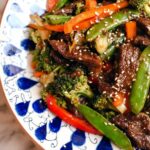
Beef Stir Fry with Vegetables Recipe
- Prep Time: 30 minutes
- Cook Time: 30 minutes
- Total Time: 1 hour
- Yield: 4 servings
- Category: Main Course
- Method: Frying
- Cuisine: Asian
Description
This flavorful Beef Stir Fry features tender flank steak seared to perfection and tossed with crisp vegetables in a savory soy-based sauce with toasted sesame seeds, making it a quick and satisfying meal served over rice or noodles.
Ingredients
Beef and Marinade
- 1 pound flank steak
- 2 tablespoons soy sauce
- 2 tablespoons cornstarch
- 2 tablespoons vegetable oil
Vegetables
- 2 cups broccoli florets
- 1 cup shredded carrots
- 1 cup snow peas
- 1 red bell pepper, sliced
- 1 green onion, sliced
Sauce
- ½ cup soy sauce
- 3 tablespoons light brown sugar
- ½ teaspoon garlic powder
- 1 teaspoon ground ginger or 2 teaspoons fresh grated ginger
- 2 tablespoons sesame seeds, toasted
Instructions
- Marinate Beef: Cut the flank steak thinly across the grain into strips no more than ½-inch thick and 2 inches long. Place the beef in a freezer bag or a medium bowl and add 2 tablespoons soy sauce and 2 tablespoons cornstarch. Stir well and let it marinate at room temperature for at least 30 minutes.
- Prepare Vegetables: While the beef marinates, prepare the broccoli florets, shredded carrots, snow peas, red bell pepper slices, and green onion slices. Set all vegetables aside.
- Make Sauce: In a small bowl, whisk together ½ cup soy sauce, 3 tablespoons light brown sugar, ½ teaspoon garlic powder, and 1 teaspoon ground or 2 teaspoons fresh grated ginger. Set the sauce aside.
- Heat Oil: Heat 2 tablespoons of vegetable oil over high heat in a large deep skillet or wok until very hot.
- Sear Beef: Add half of the marinated beef to the skillet and fry for 3 minutes, stirring occasionally until it sears and cooks through. Remove the beef to a clean plate and repeat with the remaining beef. Avoid crowding the pan to ensure proper searing.
- Cook Vegetables: Add all the vegetables except the green onions to the skillet and stir fry for 2 minutes until they are crisp-tender.
- Combine and Heat Through: Return the cooked beef to the skillet. Pour in the prepared sauce and stir everything together, heating through for about 1-2 minutes until the sauce thickens slightly and coats the beef and vegetables evenly.
- Garnish and Serve: Sprinkle the sliced green onions and toasted sesame seeds over the stir fry. Serve immediately over cooked noodles or rice.
Notes
- Store leftovers in an airtight container in the refrigerator for 3 to 4 days. Reheat well in a microwave or skillet.
- Skirt steak or sirloin steak can be used as substitutes if flank steak is unavailable.
- Other vegetables that work well include mushrooms, baby corn, zucchini, celery, bean sprouts, bok choy, or cabbage.
- If the dish tastes too salty, add a teaspoon of vinegar or use low sodium soy sauce to balance the flavor.
- White sugar can be used instead of brown sugar for the sauce.
- To toast sesame seeds, heat them in a dry skillet over medium heat for 3 to 5 minutes until golden brown, watching carefully as they can burn quickly. Toasting enhances their flavor but is optional.
Nutrition
- Serving Size: 1 serving
- Calories: 350 kcal
- Sugar: 8 g
- Sodium: 850 mg
- Fat: 15 g
- Saturated Fat: 3 g
- Unsaturated Fat: 10 g
- Trans Fat: 0 g
- Carbohydrates: 20 g
- Fiber: 4 g
- Protein: 30 g
- Cholesterol: 70 mg